September 25, 2026
Big-Batch Drunken Noodles for Feeding a Crowd
By @jaidenuean506
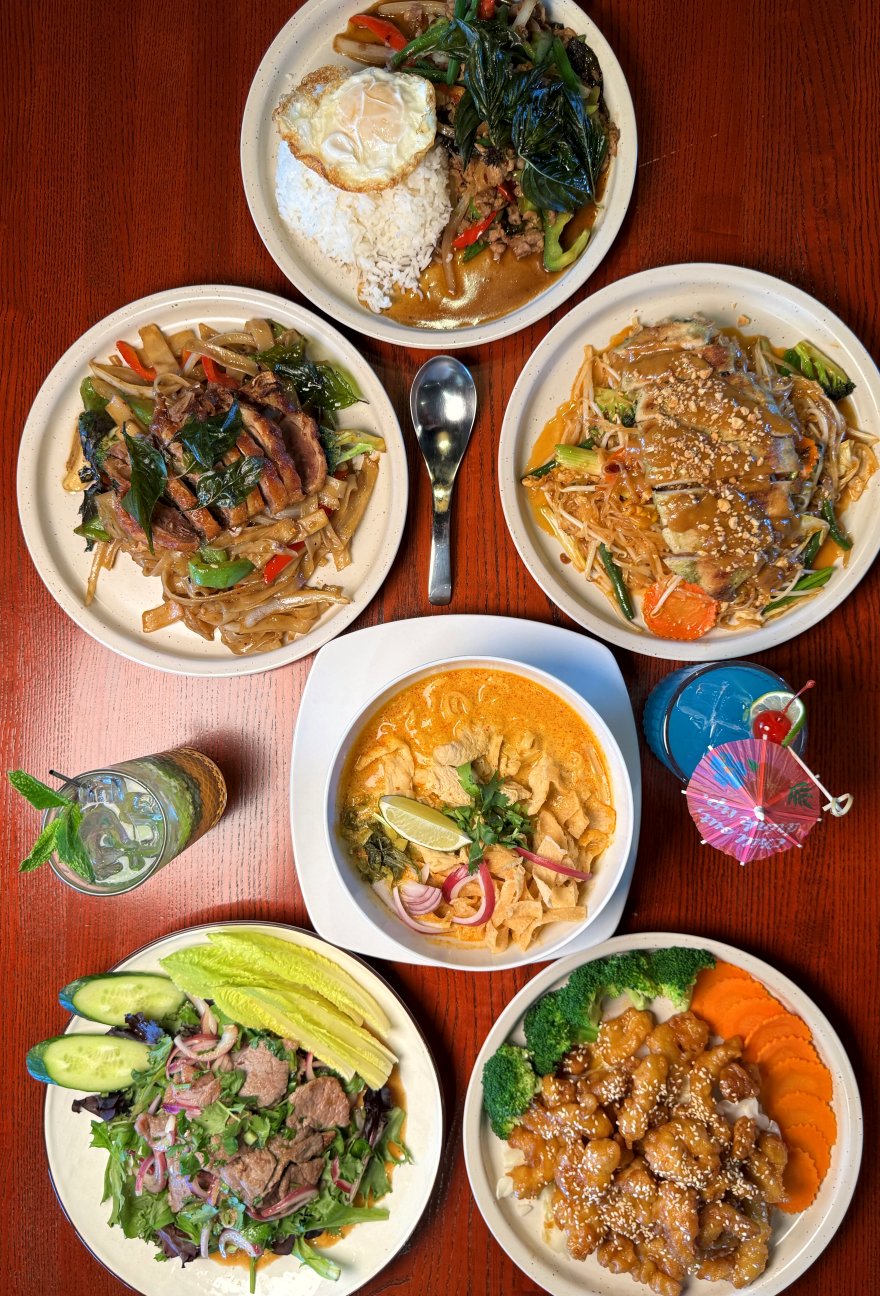

There are dishes that shine in a quiet kitchen, and there are dishes that earn their keep when twelve people are due in an hour and someone texts to ask if they can bring two more. Drunken Noodles belong firmly in the second category. They are fast, flexible, deeply satisfying, and bold enough to hold their own on a buffet table full of competing aromas. Better yet, they scale well if you understand where the recipe can stretch and where it can fall apart.
That distinction matters. A small pan of Drunken Noodles, with its smoky wok-char, slippery rice noodles, fragrant Thai basil, and savory-spicy sauce, is one thing. A hotel pan meant to feed a crowd is another. The usual home-cook instructions, cook everything in one wok and toss until glossy, stop being realistic somewhere around the six-serving mark. Once you move into big-batch territory, the challenge is no longer just flavor. It becomes a matter of heat management, noodle texture, timing, and keeping the dish lively instead of tired.
I have cooked versions of this for family parties, church potlucks, and team dinners where the food had to sit for a bit before service. Every time, the same lessons surface. The noodles need protection from overcooking. The sauce needs to be assertive because starch mutes flavor. Vegetables need to stay crisp enough to keep the pan from turning heavy. And if you want people going back for seconds, the basil has to smell fresh when it hits the table.
What makes Drunken Noodles work at scale
Drunken Noodles are forgiving in the ways that matter for crowds. They can be made with chicken, beef, pork, shrimp, tofu, or a mix. They tolerate a fair amount of vegetable variation. They taste good hot, warm, and even at room temperature for a short window, which is more than can be said for many stir-fried noodle dishes. Most important, the sauce profile is punchy. Soy sauce, oyster sauce, fish sauce, garlic, chile, and a little sugar create enough impact to survive the dilution that naturally happens when noodles, vegetables, and protein are combined in volume.
Still, the dish does not forgive soggy noodles. Rice noodles go from supple to broken and gummy quickly, especially if they are soaked too long or finished too aggressively in sauce. Crowds also expose another weakness. A giant pan of underseasoned noodles is almost impossible to rescue elegantly. You can add more sauce, but then you risk a wet, salty tray with soft vegetables and greasy sheen. It is far better to season confidently from the start and hold back a little finishing sauce for adjustment just before serving.
The other reason this dish works for entertaining is psychological, not just culinary. People understand it immediately. Even guests who do not know the name recognize the appeal: broad rice noodles, aromatic herbs, savory sauce, visible vegetables, and a bit of heat. That familiarity makes it useful for mixed groups. The diners who want something comforting find comfort. The ones who want excitement get chile and basil. And if you set out lime wedges or extra sliced chiles nearby, people can tune the bowl to their own liking without dragging the whole batch in one direction.
Start with the right expectation of “authentic”
Anyone who has cooked Thai-inspired food for a mixed American crowd knows there is a balancing act between regional fidelity and practical service. Traditional pad kee mao, the dish many people know as Drunken Noodles, is often cooked in small quantities over high heat, with fresh wide rice noodles if you can get them, holy basil if you are lucky enough to find it, and a sharp, fiery profile that can be surprising to guests used to sweeter restaurant versions.
For a crowd, practicality wins a few rounds. Fresh noodles are wonderful but can clump and tear if they sit too long before stir-frying. Dried wide rice noodles are often more reliable in big-batch cooking because you control the soak and they recover well with sauce. Holy basil is ideal, but Thai basil is easier to source and far more realistic in quantity. Chinese broccoli is classic, yet regular broccoli, broccolini, or even green beans can step in if supply is spotty. None of those adjustments ruin the soul of the dish. They simply acknowledge that feeding sixteen people from one kitchen is not the same task as cooking two restaurant portions over a roaring burner.
What should stay intact is the identity of the dish. It should taste savory first, spicy second, herbal throughout, with enough sweetness to round the corners but not enough to make it sticky or candied. The noodles should remain distinct. The vegetables should still taste like themselves. If the pan reads as generic “Asian noodles,” something went flat along the way.
Choosing noodles, protein, and vegetables that survive the journey
For crowd cooking, wide rice noodles are the best foundation because they feel substantial on the plate and hold sauce well. Dried noodles are the safer choice in most home kitchens. Soak them until flexible but not fully tender. They should still offer resistance in the center. If they feel ready to eat straight from the bowl of water, they are already on borrowed time.
Protein choice matters less for flavor than for logistics. Chicken thigh is often the easiest https://www.google.com/maps?cid=10337779433515689724 winner. It stays juicy, takes a marinade well, and reheats gracefully if you cook it in stages. Thinly sliced beef works beautifully but can overcook if left in a warm tray too long. Shrimp are excellent for a smaller crowd but expensive and easy to toughen in bulk. Tofu is practical if you press it well and brown it separately before combining. For very large gatherings, I often prefer a half-and-half approach, chicken plus tofu, because it stretches the batch without making anyone feel like they got the “vegetarian version.”
Vegetables should contribute crunch and color, but they also need to be durable. Bell peppers are ideal because they stay bright and sweet even after brief holding. Onion adds savoriness and softens into the sauce. Broccoli or broccolini bring body. Carrots, sliced thin, work if you want a little sweetness and structure. Snow peas are attractive but can wrinkle if held too long in dry heat. Mushrooms add depth, though they release water, so they need hard cooking in a separate pan or very patient browning before they go into the mix.
A crowd version is not the place for a refrigerator clean-out mentality unless you know exactly how each ingredient behaves. Watery vegetables can swamp the sauce. Tender greens disappear. Zucchini is notorious for this. Bean sprouts, though pleasant at the end for small batches, collapse in a hot hotel pan. Restraint serves you better than abundance.
Building a sauce that can carry a large tray
The sauce is where most big-batch Drunken Noodles either become memorable or become bland. When you scale up, sweet ingredients and low-sodium choices can throw things off faster than you expect. Rice noodles absorb aggressively, and once they do, the sauce flavor has to travel farther.
A dependable crowd sauce usually includes oyster sauce for body, soy sauce for salinity, fish sauce for depth, a modest amount of sugar for balance, and water or stock to help everything distribute evenly. Garlic should be generous. Fresh chiles can go into the cooking and onto the table. White pepper can be useful in the background if the batch tastes broad but slightly dull.
This is one place where measuring matters. A “splash” of fish sauce for four servings can become a chaotic amount in a party pan if you eyeball it. Mix the full sauce in a bowl or pitcher before you begin cooking. Taste it. It should be slightly too strong on its own. Not unpleasantly salty, but forceful. Once it coats noodles, vegetables, and protein, it will calm down.
If you are serving guests with mixed spice tolerance, keep the foundational heat moderate and offer a quick chile vinegar or sliced fresh chiles on the side. That preserves the identity of the dish without forcing everyone to negotiate a five-alarm tray.
A practical batch for 12 to 16 people
The exact yield depends on whether this is the main dish or part of a spread. If it is the star of the meal, plan for 12 hearty portions or 16 moderate ones. If there are several mains and sides, it will stretch further.
Use this as a working ratio rather than a rigid law:
- About 2 1/2 to 3 pounds dried wide rice noodles
- About 3 to 4 pounds protein, such as chicken thigh, tofu, or a mix
- About 4 to 5 pounds vegetables total, with peppers, onion, and broccoli as a strong base
- Roughly 2 1/2 to 3 cups combined sauce ingredients before dilution, then enough water or stock to bring the total closer to 4 cups
- At least 4 to 6 packed cups Thai basil leaves, added near the end and again just before service if possible
Those numbers assume a generous pan and people who came ready to eat. For lighter appetites or a buffet with many options, you can pull the noodle amount down slightly. I would not skimp on basil or aromatics. Those are the notes that keep the dish vivid.
The best way to cook it without wrecking the texture
The worst strategy for big-batch Drunken Noodles is trying to stir-fry the whole thing at once in a standard home wok or skillet. You end up steaming ingredients, crowding the pan, and breaking noodles while chasing browning that never really happens. Better results come from dividing the work into components and combining them with intention.
Cook the protein first, in batches, over high heat. You want color and just-done texture, not full tenderness from prolonged simmering in sauce. Remove it before it gives up too much liquid.
Cook the vegetables next, also in batches if necessary. Get some blistering on the peppers, some softening on the onion, and enough bite left in the broccoli that it does not go olive and tired later. Set those aside.
The noodles deserve their own focus. Soak, drain, and toss lightly with a bit of neutral oil if they tend to cling. Then add them to a broad pan with some sauce, not all of it, and toss over medium-high heat until they relax and turn glossy. Only after that should the protein and vegetables come back in. This sequencing keeps the noodles from spending too long in the pan and gives you more control over final texture.
If you have a flat-top griddle, a large rondeau, or two wide sauté pans, use them. Surface area is your friend. A stockpot is not. It traps steam, crushes ingredients, and turns stir-fry logic into braise logic.
I also recommend holding back some basil until the very end. Basil cooked for one minute perfumes the pan. Basil cooked for ten minutes becomes background noise.
Timing the cook so you are not trapped at the stove
The easiest way to make a crowd meal feel chaotic is leaving every critical step for the last twenty minutes. Drunken Noodles move fast once the pans are hot, so most of the success comes from work done beforehand.
The sauce can be mixed a day ahead. Protein can be sliced and, if you like, lightly marinated several hours ahead. Vegetables can be cut earlier in the day and stored dry. Basil should be washed and dried well, then kept chilled and loosely covered. Wet basil is a nuisance in a hot pan. The noodles are the one area where I would not get too far ahead. Soak them close enough to service that they do not sit around swelling and sticking.
For a dinner party, I like to have all components cooked or nearly cooked thirty minutes before people eat. Then I do the final noodle-and-sauce toss, fold in the protein and vegetables, shower in basil, and transfer to a warm serving vessel. That keeps the final product fresh while freeing me from full à la minute cooking once guests arrive.
If the batch needs to hold for a bit, a low oven works better than a chafing setup with direct high heat underneath. Too much bottom heat can scorch the sauce and turn the lower layer sticky. If you must use a buffet warmer, stir occasionally and reserve a little warm stock or water to loosen the tray without dumping in raw sauce.
A few mistakes that show up only in large batches
Scale exposes weak technique. Some problems hide in a skillet for four portions and become impossible to ignore in a pan for fifteen.
One common issue is oversoaked noodles. They may look manageable when drained, but as soon as they hit sauce they start snapping and clumping. Another is timid seasoning. People often fear over-salting, so they under-season the sauce and hope fish sauce at the table will fix it. It will not. Surface seasoning after the fact never penetrates like a properly built sauce.
Then there is excess moisture. This often comes from mushrooms that were not browned hard enough, tofu that was not pressed, or vegetables washed and not dried. You can feel it happening in the pan. Instead of glossy coating, you get a shallow puddle. Once that puddle appears, the noodles stop frying and start stewing.
The final problem is overhandling. Big pans tempt cooks to keep tossing and stirring in pursuit of even distribution. But rice noodles are not wheat spaghetti. They bruise. The more you shovel them around, the more likely you are to create short, ragged pieces and paste-like edges. Toss enough to coat, then stop.
Heat level, basil, and the details guests notice
When people remember a tray of Drunken Noodles fondly, they rarely talk about soy sauce ratios. They talk about aroma, heat, and the feeling that every bite had life. Those qualities come from the last layer of judgment more than from the base recipe.
Thai basil matters because its slightly spicy, anise-like quality gives the dish lift. Sweet basil can work in a pinch, but it reads softer and more Italian in tone. If Thai basil is available, buy more than you think you need. It shrinks in the pan and some of it should go in fresh at service. I have even scattered a small extra handful over the tray after transferring it, not as decoration but as a last aromatic push.
Heat should be noticeable but not punishing, unless you know your crowd wants a challenge. A broad audience usually responds best to medium heat in the pan, with a path to more heat at the table. That way the dish still tastes like Drunken Noodles rather than simply wide noodles with basil.
Lime is not always standard in every version, but it can be useful for buffet service. A squeeze brightens a portion that sat ten minutes under warm conditions. The same goes for a spoonful of chile vinegar. These are small service moves, but they make the pan taste fresher deep into the meal.
Serving it so the last plate still tastes good
Serving style changes the experience more than many cooks realize. A very deep pan compresses the noodles and traps steam. A wider, shallower vessel lets the dish breathe and makes it easier for guests to serve themselves without shredding the top layer.
This is the short service checklist I use when the tray has to sit out:
- Use a broad pan or platter, not a deep pot
- Finish with fresh basil just before the food goes out
- Keep a small amount of warm stock or water nearby to refresh dryness
- Offer extra chiles or chile vinegar on the side
- Stir gently once or twice during service, no more
If the event is casual and people are eating in waves, consider sending out half the batch first and holding the second half warm. Freshness is easier to preserve in two rounds than in one giant tray. Restaurants think this way for a reason.
Making it ahead, reheating, and leftovers that stay appealing
Drunken Noodles are best fresh, but crowd cooking often means compromise. If you need to make them partially ahead, cook the protein and vegetables, mix the sauce, and prepare the basil in advance. Then finish the noodles close to serving time. That gives you the best shot at proper texture.
Fully cooked noodles can be reheated, but gently. A splash of water or stock and a covered pan over medium-low heat is safer than blasting them in a hot oven. Microwaves work for smaller portions, though they tend to create hot spots and can toughen proteins around the edges. If reheating a full tray, stir from the outside in so the center does not stay cold while the edges overcook.
Leftovers are often better the next day than people expect, provided the noodles were not overdone to begin with. The flavors settle and deepen. I like reheated portions with a handful of fresh herbs or scallions added at the end to bring back brightness. If the batch turned out a bit salty on day one, reheating with extra vegetables can rebalance it nicely.
The version people ask for again
The Drunken Noodles that disappear fastest are not necessarily the hottest or most “authentic” by a narrow definition. They are the ones with contrast. Silky noodles, crisp-edged vegetables, savory sauce with enough backbone, basil that still smells alive, and enough heat to wake up the palate. For a crowd, those qualities matter more than dramatic wok flames or a perfect individual plating.
There is also something satisfying about serving a dish that looks abundant without feeling heavy-handed. A big pan of noodles can easily become monotonous if it is all starch and sauce. But with the right balance, it feels generous rather than cheap, practical rather than compromised. That is the sweet spot for entertaining.
If you are cooking Drunken Noodles for the first time in large quantity, do not aim for spectacle. Aim for control. Build a strong sauce, respect the noodles, cook in stages, and finish with confidence. The crowd does not need theater. They need a tray that tastes like someone knew what they were doing. And when those noodles hit the table glossy, fragrant, and still full of life, that is exactly what they will get.
Nakhon Luang Thai Kitchen
Address: 805 Village Center Dr, Colorado Springs, CO 80919
Phone number: +17195315175
FAQ About Drunken Noodles
What makes it drunken noodles?
Drunken noodles, or Pad Kee Mao, get their name from the Thai word khi mao (meaning "drunkard"). They contain no alcohol. The name comes from the idea that the dish is a popular late-night meal to cure a hangover or a great food to eat with a cold beer.
What is the difference between pad see ew and drunken noodles?
While both Pad See Ew and Drunken Noodles use the same wide rice noodles, Pad See Ew is a mild, sweet-savory dish made with dark soy sauce and Chinese broccoli, whereas Drunken Noodles (Pad Kee Mao) are fiery, garlicky, and herbaceous with fresh chilies and Thai basil.
What are traditional drunken noodles?
Traditional drunken noodles, known as Pad Kee Mao in Thai, are a fiery, savory street food stir-fry made with wide flat rice noodles, fresh garlic, lots of hot chilies, meat or tofu, and fragrant holy basil. Despite the name, they contain no alcohol; the dish is traditionally eaten late at night or as a hangover cure because the intense spice helps clear the head.
❧